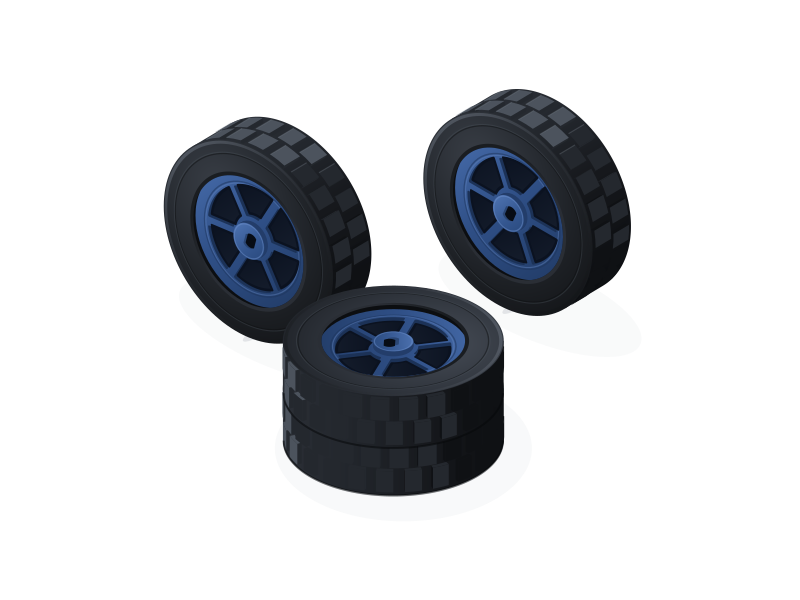
Mini Space Rover
Build a solar-assisted rover while learning about circuits, motors and renewable energy.
Circular-economy STEM kits
ReSpark gives suitable electronic components a second life by turning them into affordable, hands-on STEM learning experiences.
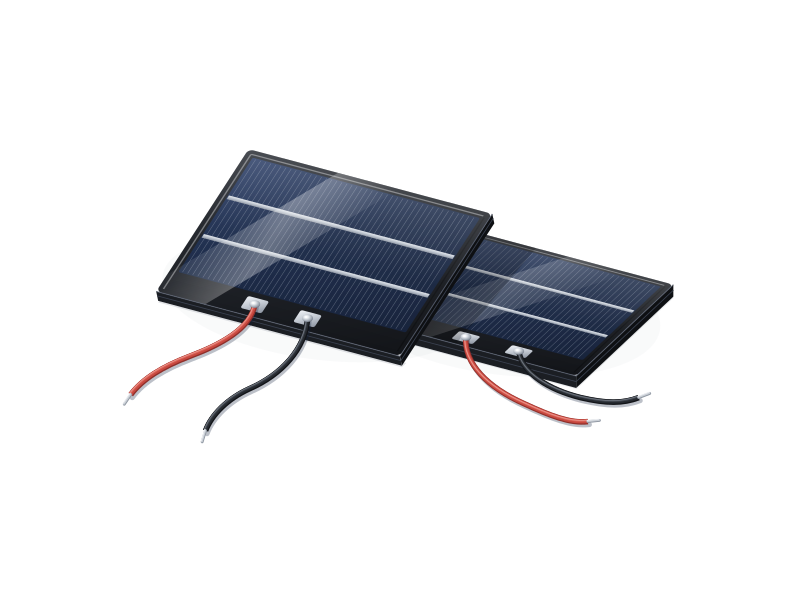
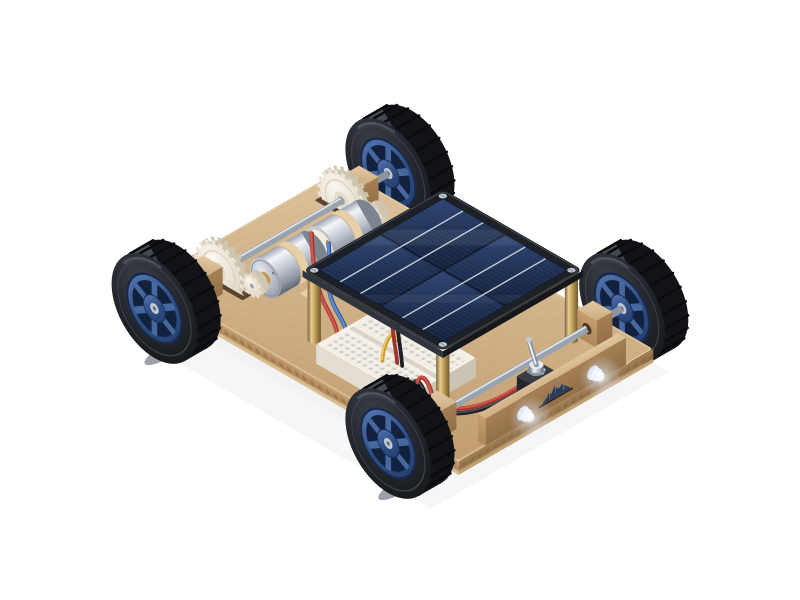 Recovered solar panel · tested
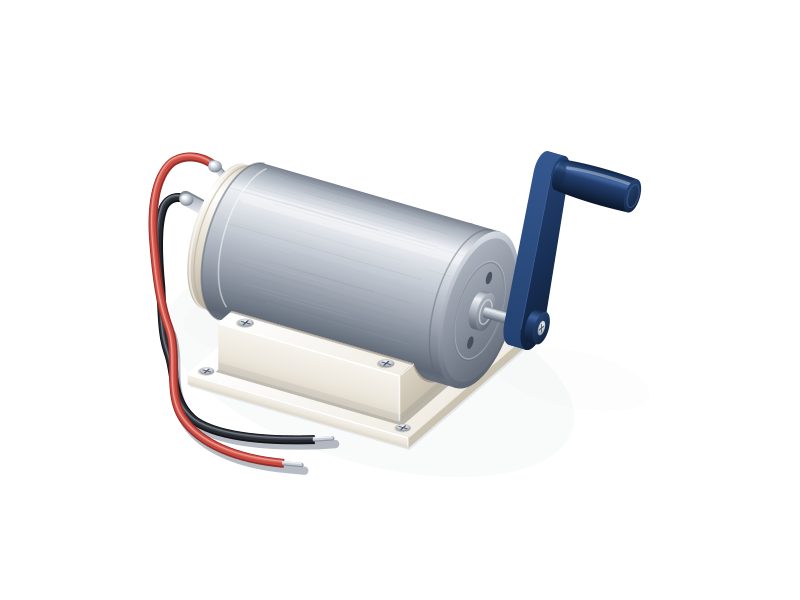
Salvaged DC motors · tested
555 timer + CD4017 · new
Recovered solar panel · tested
Salvaged DC motors · tested
555 timer + CD4017 · new
Featured kits
Every kit pairs suitable recovered components with selected new ones, so students learn electronics by building something that works.
Build a solar-assisted rover while learning about circuits, motors and renewable energy.
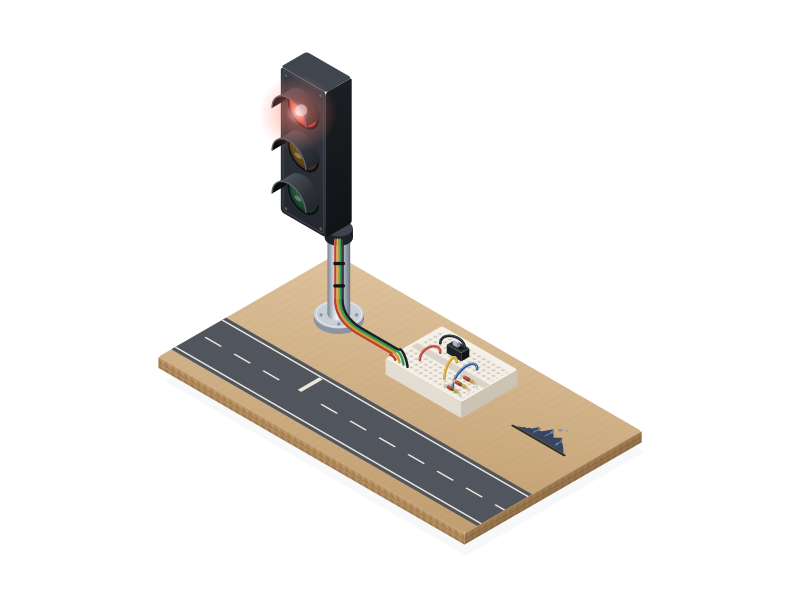
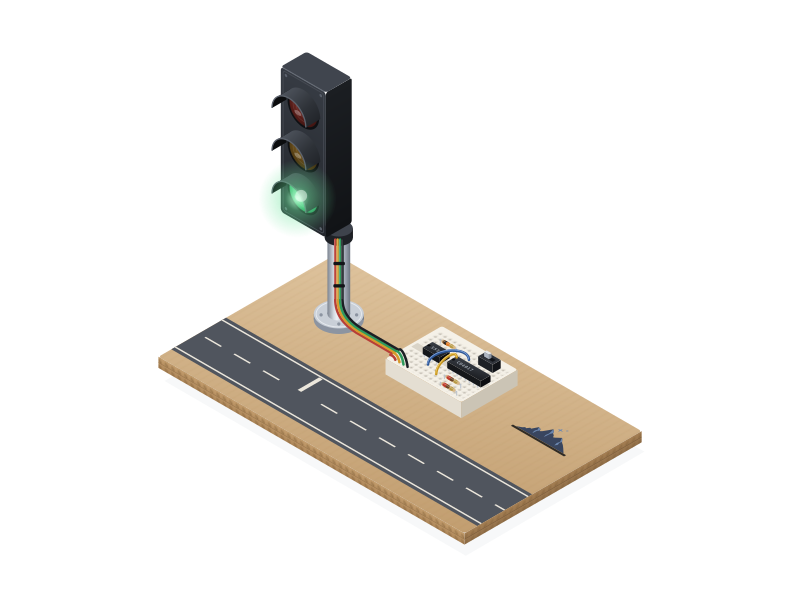
Build a working traffic-light model and explore manual and automatic electronic control.
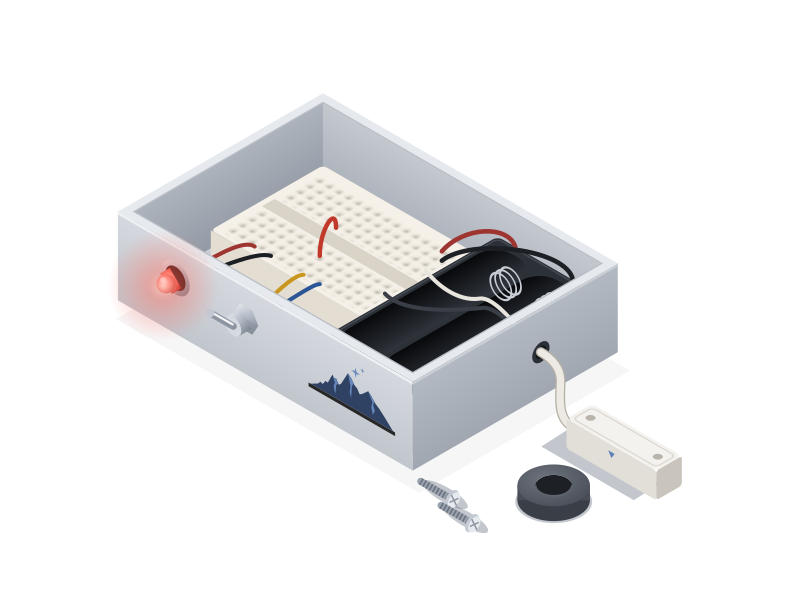
Build a simple alarm system using switches, LEDs and magnetic detection.
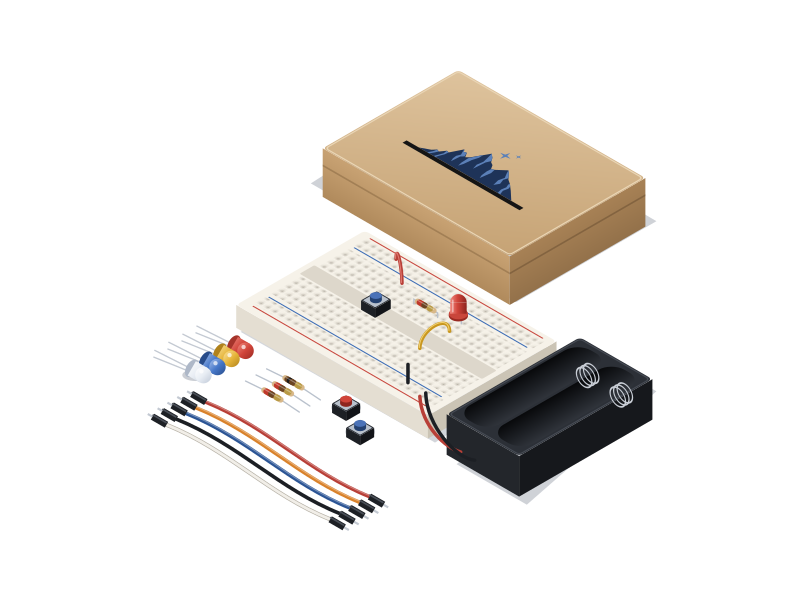
A flexible electronics kit for creating and experimenting with your own projects.
Why ReSpark?
Give suitable electronic components another useful purpose.
Understand electronics through hands-on projects.
Experiment, modify and build beyond the basic instructions.
Learn how products and components can stay useful for longer.
Why reuse matters
Source: European Environment Agency (EEA), 2026
ReSpark applies this circular idea to STEM education by giving suitable electronic components a second use.
This is a broader research finding about reuse and product-life extension, not a measurement of ReSpark kits.
Live estimate
—
tonnes of e-waste generated worldwide so far in 2026, at about 2.28 tonnes every second
The ReSpark model
Suitable discarded electronics are sourced.
Components are checked for visible damage and suitability.
Usable components are tested before being included.
Suitable components are separated from unsuitable material.
Recovered components are combined with selected new components to create project kits.
Students use the kits to explore electronics, circuits, motors, sensors and renewable-energy concepts.
Honest by design
ReSpark combines suitable recovered components with selected new components to create affordable, safe and reliable STEM kits.
Not every component in a ReSpark kit is recycled, and every product page says exactly which parts are which. Parts that are inexpensive, safety-critical, difficult to recover reliably or unsuitable for reuse are bought new.
Read how we keep reuse safeBuild Your Kit
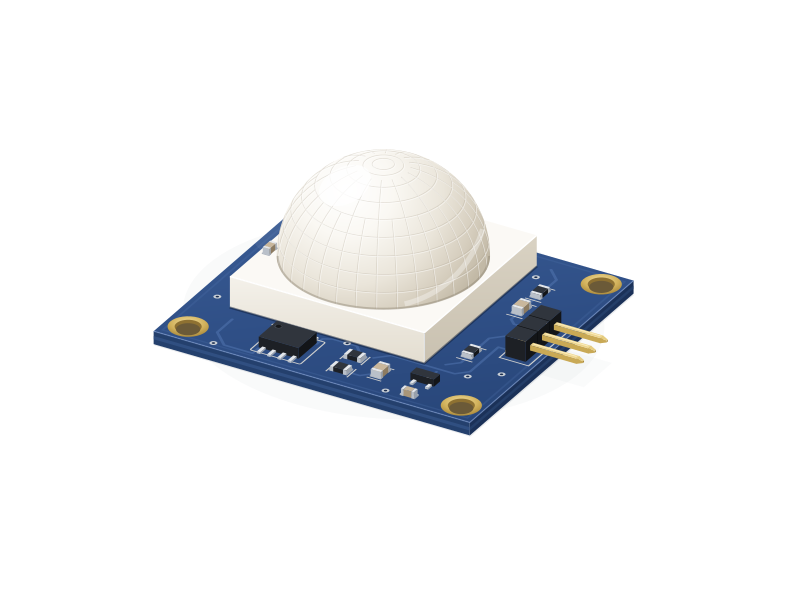
Choose any quantity of seven add-ons, from dynamos and mini tyres to motion sensors and solar cells, and watch your total update as you go.
Safety first
Only suitable components are selected. Damaged or unsuitable parts are excluded.
Salvaged battery cells are never included in ReSpark kits.
New AA cells may be required for operation.
 ReSpark
Reuse. Rebuild. Reinnovate.
ReSpark
Reuse. Rebuild. Reinnovate.